Tech Founders Warn EU Digital Rulebook Is Slowing Innovation at Amsterdam Event

Startup leaders, European tech scale-ups, investors, EU policymakers, and industry representatives gathered in Amsterdam on 30 June 2026 for a timely discussion on how the EU’s complex digital rulebook is limiting founders’ ability to build, grow, and scale across the Single Market.
Taking the simplification debate beyond Brussels
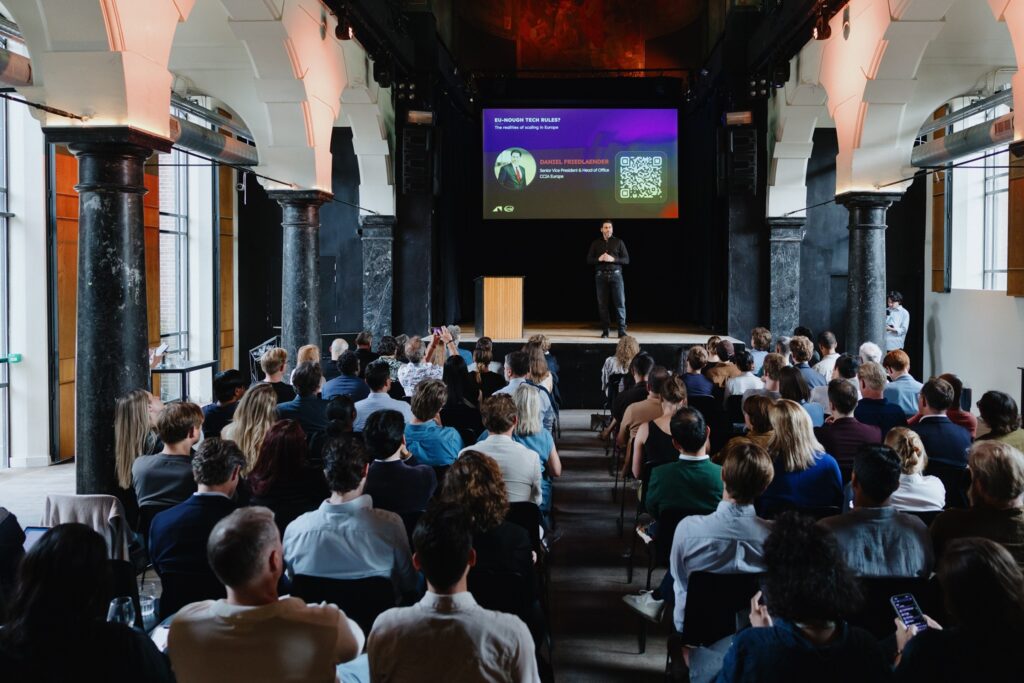
Europe’s debate on simplifying EU tech rules is largely confined to Brussels, focussing on technical language and institutional timelines. In Amsterdam, that important discussion became far more concrete. At the ‘EU-Nough Tech Rules? The Realities of Scaling in Europe’ event, DutchBasecamp launched independent research showing how Europe’s complex and overlapping digital rules are shaping the decisions of tech founders.
The evening brought CCIA Europe’s wider ‘Simplify EU Tech Rules. Unlock Innovation.’ campaign beyond the Brussels Bubble and into the founder community, grounding the case for regulatory simplification in the lived experience of startups and scale-ups trying to grow across the EU. It provided a platform for first-hand founder accounts that are rarely captured in official statistics or EU impact assessments.
The real cost of regulatory friction
The research findings were striking. According to the new report, 79% of European tech founders said regulatory friction had had a major impact on their business in the past 12 months. Some 58% delayed entering another EU market, 45% paused or cancelled product features, and 44% experienced delayed or lost deals because of regulatory uncertainty.
Nearly a quarter reported spending more than 30% of their budgets on compliance, while 24% said they were considering relocating or had already relocated their headquarters, primarily because of regulation. But the Amsterdam event was not just about numbers. It was about the people behind them and their ambitions to be the very success Europe desires.
Founders and scale-ups shared how fragmented rules, unclear obligations, and inconsistent national implementation of EU rules affect product roadmaps, customer relationships, investment decisions, and expansion plans. Their message was clear: European innovators are not asking for lower standards. They are asking for EU rules that are clear, workable, and applied consistently across the Single Market.
If urgent changes aren’t made, European founders will continue to be forced to hold back the roll-out of key features, look to scale outside the EU, and operate at a disadvantage compared to their competitors.
A growing community for reform
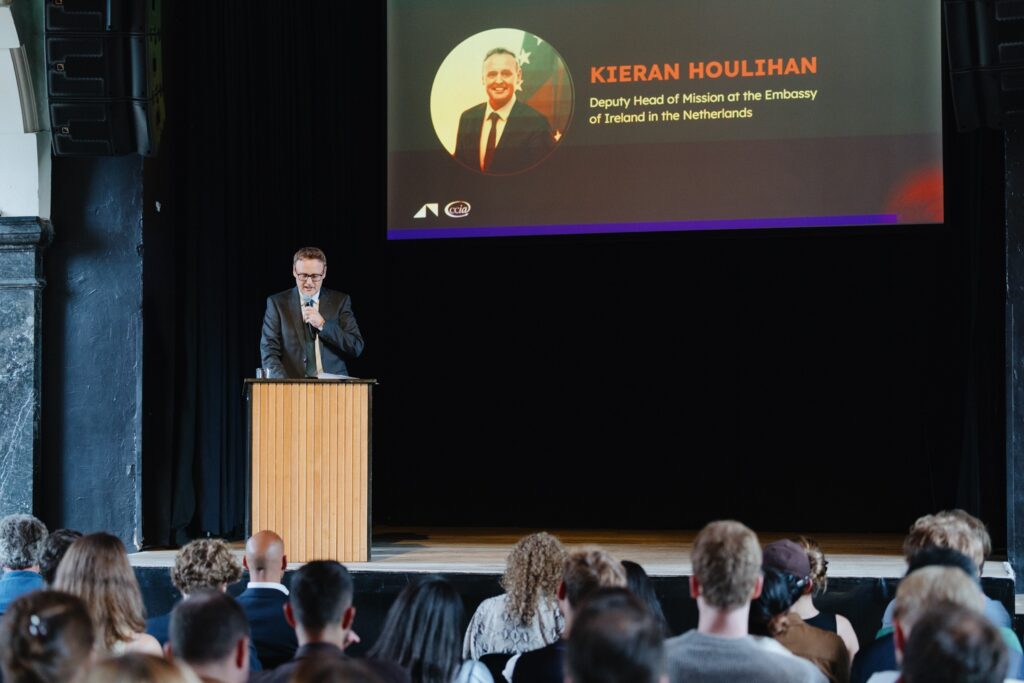
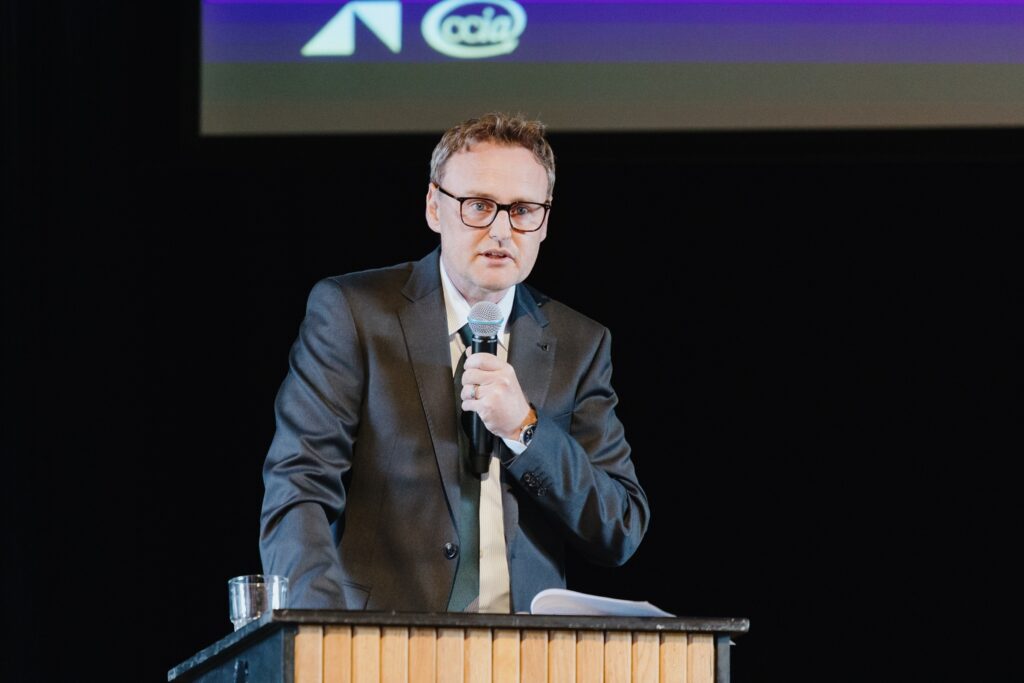
The discussion also looked ahead. Kieran Houlihan (Deputy Head of Mission at the Embassy of Ireland in the Netherlands) set out the goals of the Irish Presidency of the Council of the EU, with simplification and competitiveness high on the agenda.
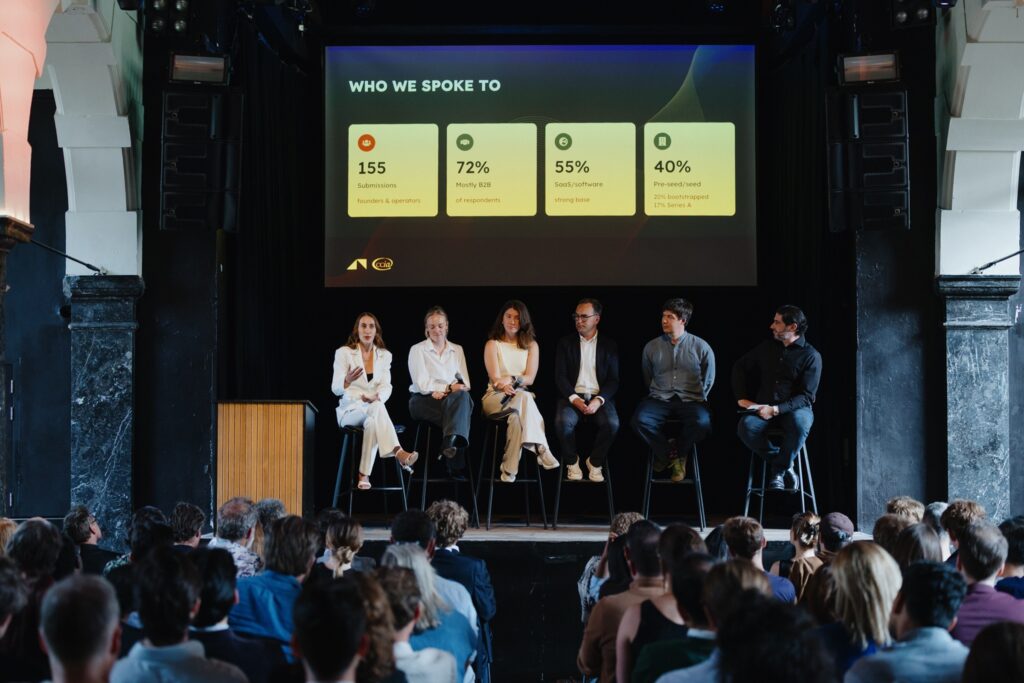
The panel discussion that followed – featuring leading founders and European tech entrepreneurs – highlighted how much is at stake: Europe’s ability to keep companies growing in its own market, attract investment, and give consumers and businesses access to the best digital products and services.
CCIA Europe’s partnership with DutchBasecamp created a forum for Europe’s startup, venture capital, policy, and technology communities to align around a shared objective: a Single Market that truly works, legal clarity that companies can rely on, and a regulatory system designed to support innovation rather than compromise into ‘mediocrity by design’.
From political promises to tangible progress
The event served as a timely reminder that simplification must not become another political promise that founders never feel in practice.
That urgency is growing as momentum behind EU simplification efforts appears to be grinding to a halt in Brussels. For founders, every watered-down simplification measure leaves in place the uncertainty, duplication, and fragmentation weighing heavily on their product decisions, market expansion, and long-term growth prospects in Europe. The hidden cost to Europe was referenced in founders simply choosing to be less ambitious to fit within EU digital rules that legislate for ‘mediocrity by design’.
As the photos from the evening show, this was not a dry policy discussion. It was a room full of inspiring people building, backing, and shaping Europe’s digital future. The very people Europe wants to champion.
The message from Amsterdam was simple and crucial for Brussels and beyond: Europe already knows the problems it faces. Now it must show the resolve to fix them. To unlock innovation, EU simplification needs to move from slogans to tangible improvements that tech startups and scale-ups can feel in their product development, their compliance budgets, and their ability to scale across Europe.